Research-Backed Insights

Dive deep into the science of breaks and discover evidence-based strategies for optimizing your productivity and wellbeing.

Understanding Break Science

The relationship between rest and productivity has been studied extensively across neuroscience, psychology, and organizational behavior. At Xexvalonchim, we synthesize cutting-edge research to provide actionable insights for modern professionals.

Our findings challenge conventional wisdom about continuous work and reveal how strategic pauses create competitive advantages in knowledge work, creative industries, and high-stakes decision-making environments.
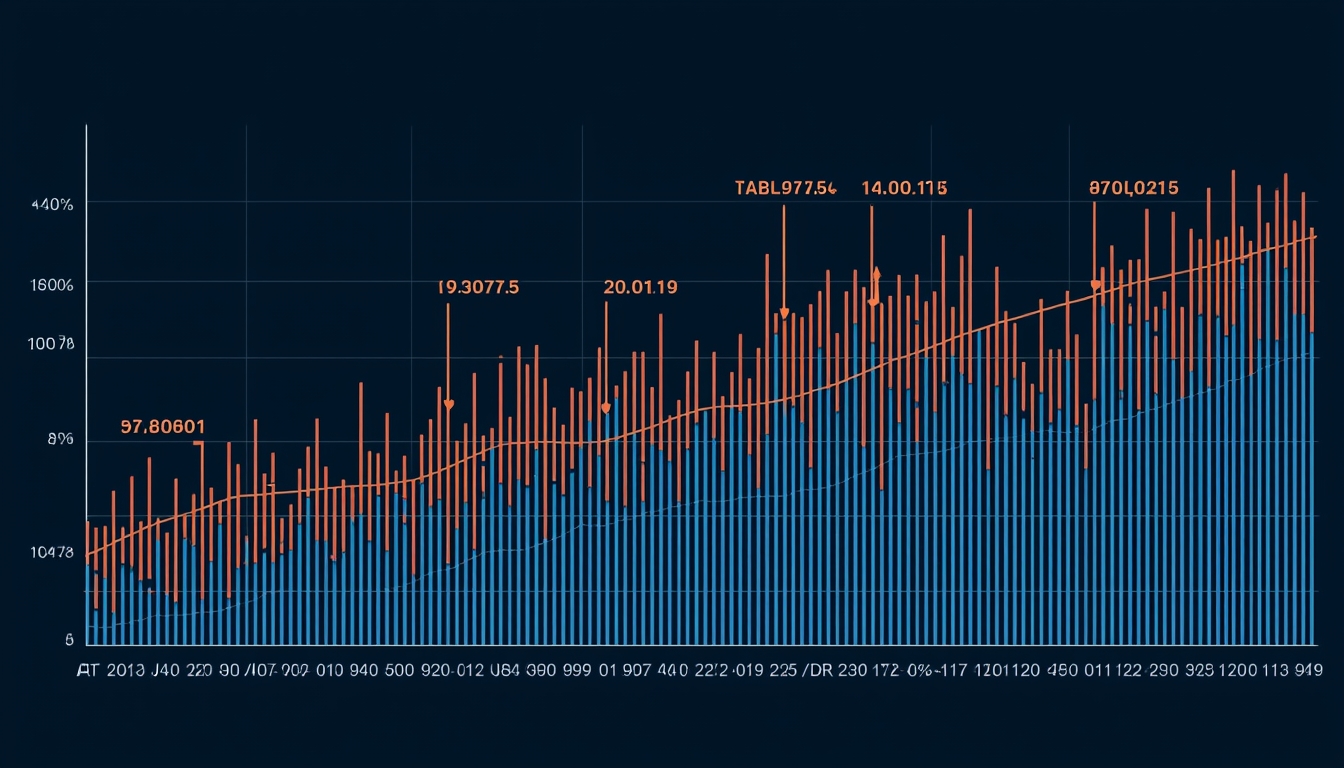
Data visualization showing productivity patterns with strategic break intervals

Key Research Findings

Cognitive Recovery

Studies demonstrate that attention and working memory capacity decline significantly after 50-90 minutes of continuous focused work. Brief breaks of 5-15 minutes restore these cognitive resources to near-baseline levels, enabling sustained high performance throughout the day.

Neural Connectivity

Brain imaging research shows that rest periods activate the default mode network, facilitating memory consolidation, creative insight, and integration of new information with existing knowledge structures.

Burnout Prevention

Longitudinal studies link regular break-taking with reduced emotional exhaustion, lower turnover intentions, and higher job satisfaction. Organizations that normalize breaks report significantly lower burnout rates.

Performance Quality

Research on error rates and decision quality shows that workers who take regular breaks make fewer mistakes, demonstrate better judgment, and produce higher-quality outputs compared to those working continuously.

Physical Health

Movement breaks reduce musculoskeletal discomfort and support cardiovascular health. Even light activity during breaks provides measurable physical wellbeing benefits.

Team Dynamics

Shared break experiences strengthen social bonds, improve communication, and enhance collaborative problem-solving. Teams that break together demonstrate higher trust and psychological safety.

Types of Effective Breaks

Micro-Breaks

30 seconds to 5 minutes

Brief pauses to stretch, look away from screens, or practice breathing exercises. Ideal for preventing eye strain and maintaining alertness during extended focus sessions.

  • Reduces visual fatigue
  • Maintains postural awareness
  • Quick mental reset
Short Breaks

5 to 15 minutes

Time for walking, light snacking, social interaction, or mindfulness practice. These breaks restore attention and provide cognitive recovery between work blocks.

  • Restores attention capacity
  • Enables social connection
  • Physical movement benefits
Long Breaks

15 to 60 minutes

Extended periods for meals, exercise, nature exposure, or creative hobbies. These breaks provide deep recovery and support work-life integration.

  • Deep cognitive restoration
  • Stress hormone regulation
  • Enhanced creativity

Implementation Strategies

1

Assess Your Current Patterns

Track your natural energy fluctuations and current break habits for one week. Notice when focus declines and which activities feel most restorative.

2

Design Your Break Schedule

Create a personalized break rhythm based on your work demands and natural ultradian cycles. Start with one micro-break per hour and one longer break every 90 minutes.

3

Choose Break Activities

Select activities that contrast with your work mode. If your work is sedentary, choose movement. If it's socially intensive, opt for solitude. Match activities to your recovery needs.

4

Create Environmental Cues

Use timers, calendar blocks, or physical reminders to prompt breaks. Design your workspace to make break-taking easy and appealing.

5

Monitor and Adjust

Evaluate how your break routine affects your energy, focus, and output quality. Refine timing, duration, and activities based on results.

Common Myths Debunked

Myth

"Breaks waste time and reduce productivity"

Truth

Research consistently shows that strategic breaks increase overall productivity by maintaining cognitive performance and preventing fatigue-related errors.

Myth

"Powering through is more efficient"

Truth

Continuous work leads to diminishing returns. Quality and speed both decline without recovery periods, making breaks essential for efficiency.

Myth

"Breaks are for weak or unmotivated people"

Truth

Elite performers in many fields prioritize recovery. Strategic rest is a hallmark of high achievers, not a sign of weakness.

Myth

"Any break activity is equally beneficial"

Truth

Break quality matters. Activities that provide genuine cognitive detachment and physical movement deliver greater benefits compared to passive screen time.

Get in Touch

Have questions about implementing break strategies in your organization? We're here to help you design evidence-based solutions.

Visit Us

The Life Coach - Positive Minds, Mapleton Rd, London SW18 4DN, United Kingdom

Call Us

+447949029157

Email Us

help@xexvalonchim.world

Send Us a Message